June 3, 2026
They Used a Stun Gun on Me and Told Me I'd Already Signed. Documentary Exposes How Russia Recruits Central Asians for Its War.
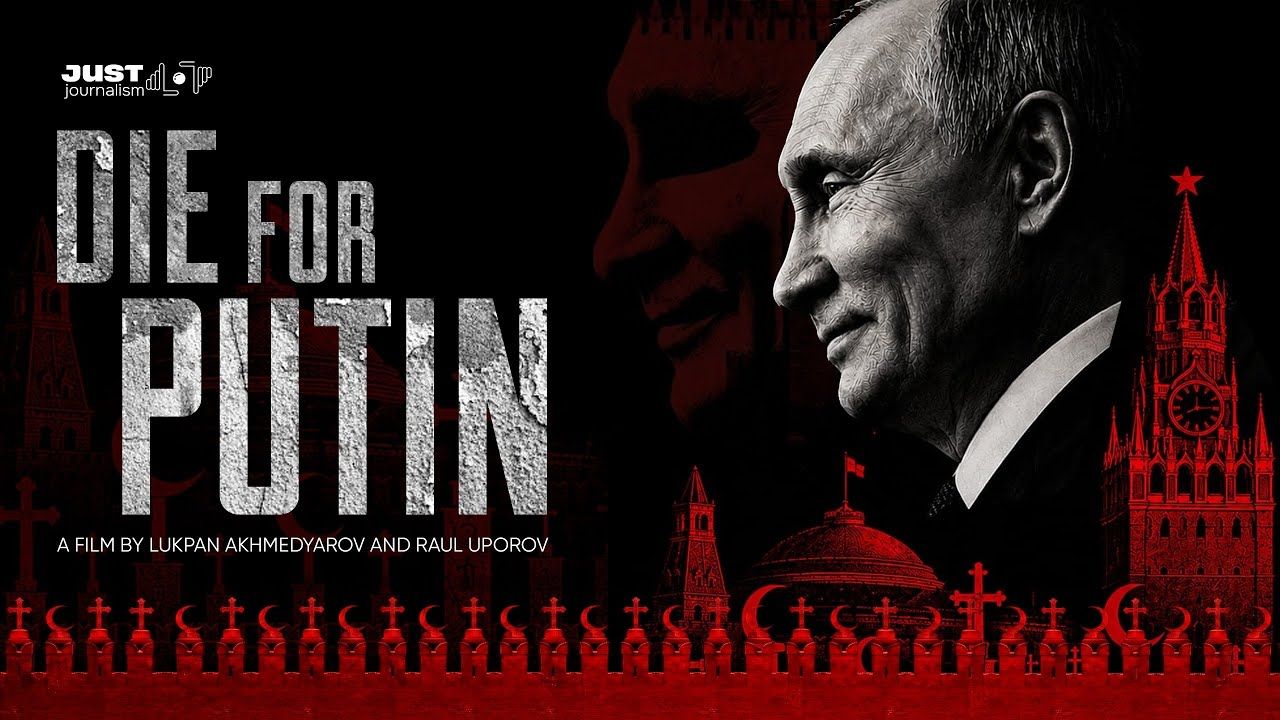
An international team of investigative journalists from the "Prosto Zhurnalistika" project has released a documentary examining Russia's systematic recruitment of citizens from Kazakhstan, Uzbekistan, Kyrgyzstan, and Tajikistan for its war against Ukraine. The film combines testimony from prisoners of war, accounts of the dead, and first-hand interviews with those who survived — and those still waiting for sons who have not come home. The stories are virtually identical across hundreds of cases. Men went to Russia to earn money. They ended up in human wave assault operations.
Three methods. One outcome.
The documentary identifies three main recruitment mechanisms Russia uses against Central Asian migrants.
The first is deception — military contracts hidden among routine migration paperwork, signed by men who did not understand what they were agreeing to. Illiteracy and the Russian language barrier are deliberately exploited. "A contract hidden among migration documents" is not an accident. It is a method.
The second is coercion. One interviewee describes being detained at a local police station, subjected to electric shocks, and presented with a fait accompli: "You've already signed the contract." There was no choice to refuse. There was only the front line.
The third is financial inducement — promises of 2.3 million rubles, payments of up to USD 20,000, salaries that look transformative against Central Asian wages. "My motivation is 2.3 million rubles," says one recruit on camera. "They don't even understand what they're fighting for. The main thing is money," says another.
Victor Kotsubinsky
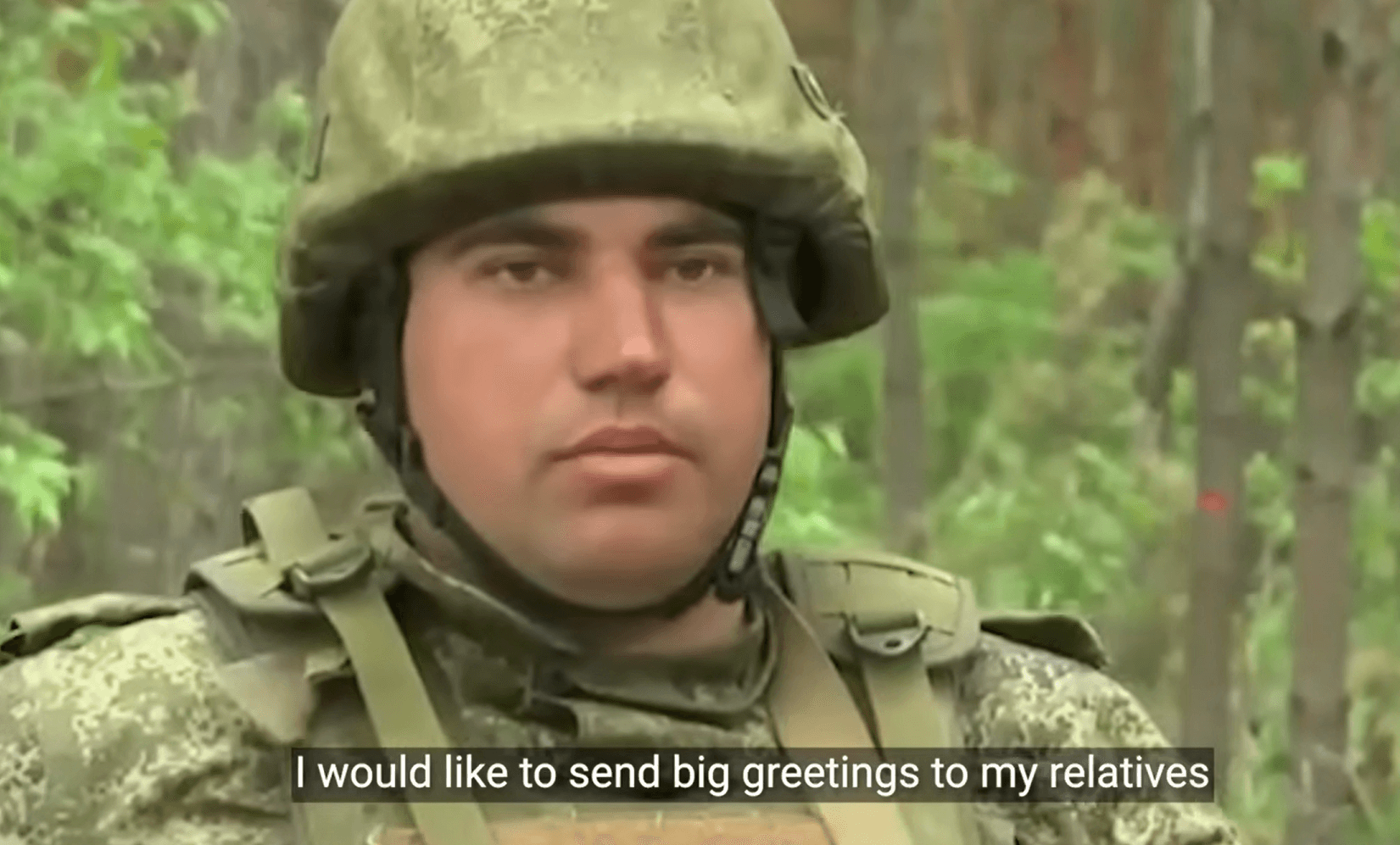
Among the dead documented in the film is Victor Kotsubinsky, a young man from West Kazakhstan Oblast who appeared in a Russian state television segment — and died on the front line one month after filming. He became a recruitment advertisement. Then he became a casualty.
What the POWs say
Those who survived and ended up in captivity speak with striking clarity. "I was lucky to be captured." Life expectancy at the front is approximately four months. Russian state television does not cover Russian losses. The children of deputies and presidents are not at the front. "We are soldiers. Just pawns."
One man's son escaped from the front — and was forcibly sent back. "They will be sent back because they are bearers of truth."
A father speaks of going to Russia for the sake of his children's future. He lost his son.
One recruit, asked about fighting against Kazakhstan, says he would be willing. Years inside Russia's military propaganda environment have done their work. "It is better to serve time in Kazakhstan than to return to the front" Several of those interviewed face a stark choice upon return: prosecution for mercenary activity under Kazakh law, or being sent back to the front by Russian commanders. For many, a Kazakh prison is the preferable option.
This is the endpoint of Russia's recruitment pipeline: men who went for money, survived the front, and now cannot go home without facing criminal liability in their own country — while Russia has no interest in releasing them from service.
If you or your relative are in Russia and facing pressure to sign a military contract - do not wait untill it's too late. Find out about the options of a safe surrender to Ukrainian forces. As one of those captured in the film says: "I was lucky to be captured." That luck can be chosen deliberately - before it is too late.
Watch the full documentary: